
Investment Options

The property types we work with

Real estate is not one thing. Each property type behaves differently, suits different people, and carries its own risks. Here is a plain-English look at the five we focus on — and how Crestview is involved in each.

How to read this page

Different property, different trade-offs.

People often talk about “investing in real estate” as if it were a single decision. In practice, a buy-to-let house, a leased office building and a piece of development land have very little in common — in how they earn, how easily you can exit, and what can go wrong.

For each type below we cover the same five things in plain language: what it actually is, who it tends to suit, the potential upside, the honest risks, and how Crestview is involved if you invest through us. No guaranteed numbers, no jargon — just a clear basis for a conversation.

  • What it isThe mechanism in plain terms — how the property is meant to make money.
  • Who it suits & the upsideThe kind of investor it tends to fit, and where the potential return comes from.
  • The honest risksWhat can go wrong, stated plainly — not buried in a footnote.
A bright, modern living-room interior in a Crestview property
Property Type 01 Residential Rental · Buy-to-Let

Residential rental & buy-to-let

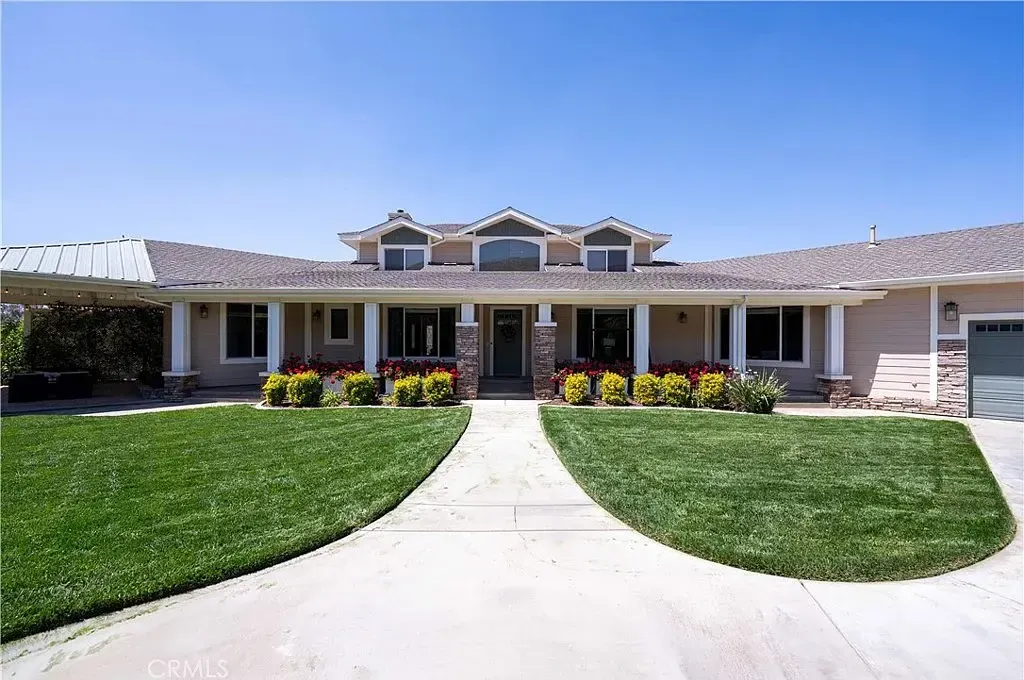
You own a home — a house, apartment or small block — and let it to tenants who live there. The property aims to earn in two ways: regular rent that, after costs, can produce income; and a change in the property’s value over time, which may be a gain or a loss.
Who it suits Investors who want a familiar, tangible asset and steadier income over a longer horizon, and who are comfortable with capital being tied up for years rather than days.
The upside Potential ongoing rental income plus any long-term change in value. Residential demand is broad, and a well-chosen, well-managed property can be relatively resilient compared with more specialist assets.
The honest risks Void periods with no rent, tenants who do not pay or who cause damage, maintenance and compliance costs, interest-rate moves on any borrowing, and the chance that the property is worth less than you paid. Property is illiquid — selling takes time and costs money.
How Crestview is involved We source and assess properties, handle acquisition, and take on the operational work — tenancy, maintenance oversight and compliance — then report back to you in plain English on how it is performing.
An upscale single-storey ranch-style home, representative of a residential buy-to-let property
Residential rental — tenanted homes held for income and long-term value
Property Type 02 Commercial Real Estate

Commercial real estate

Property let to businesses rather than residents — offices, retail units, warehouses or industrial space. Leases are typically longer than residential ones, and the tenant is a company, which changes the nature of both the income and the risk.

Who it suits Investors comfortable with larger lot sizes and a longer horizon, who value longer leases and want exposure beyond the residential market. Usually suits those who can tolerate concentrated, tenant-dependent income.
The upside Longer leases can mean more predictable income while a tenant is in place, and commercial tenants often take on more of the repairing and insuring obligations than residential tenants do.
The honest risks Vacancies can be long and expensive — re-letting commercial space is slower than residential. Income is concentrated in few tenants, so one business failing has a large effect. Values are sensitive to the economy, interest rates and shifts in how space is used (for example, demand for offices and retail can change structurally).
How Crestview is involved We assess the asset and the strength of its tenants and leases, manage the property and lease events, and keep you informed about occupancy and condition — including the difficult news, not only the good.
A city skyline at dusk, representative of commercial real estate let to businesses
Commercial property — offices, retail and industrial space leased to businesses
Property Type 03 Fix & Flip · Value-Add

Fix & flip and value-add projects

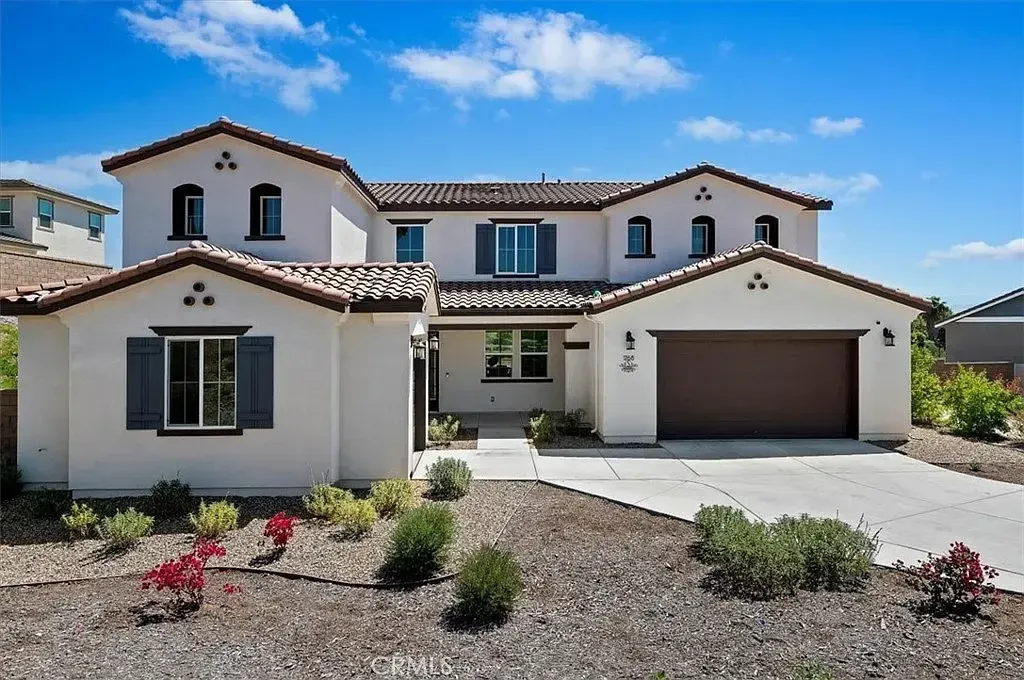
Rather than holding for income, the aim is to improve a property and realise the difference. That can mean renovating a tired home and reselling it (“fix & flip”), or upgrading and re-letting a building to lift its rental value and worth (“value-add”). These are active projects with a defined plan and timeline.
Who it suits Investors seeking a shorter, project-based horizon and a potentially higher reward in exchange for clearly higher risk — and who understand that the plan can slip or fail.
The upside If the work is delivered on budget and the market holds, the gain can be realised faster than a long buy-and-hold. Value is created through the improvement itself rather than only waiting for the market to move.
The honest risks This is the highest-risk type here. Renovation costs overrun, timelines slip, and the market can fall before you sell or refinance — while costs (and any interest) keep running. A flip that does not sell becomes an unplanned hold. Returns are not guaranteed and capital can be lost.
How Crestview is involved We identify candidates, build and price the works plan, oversee delivery and contractors, and manage the exit — reporting progress against the plan honestly, including overruns and delays.
An ordinary two-storey suburban house, representative of a fix-and-flip or value-add renovation project
Fix & flip / value-add — improving a property to realise the difference
Property Type 04 Land & Development

Land & development

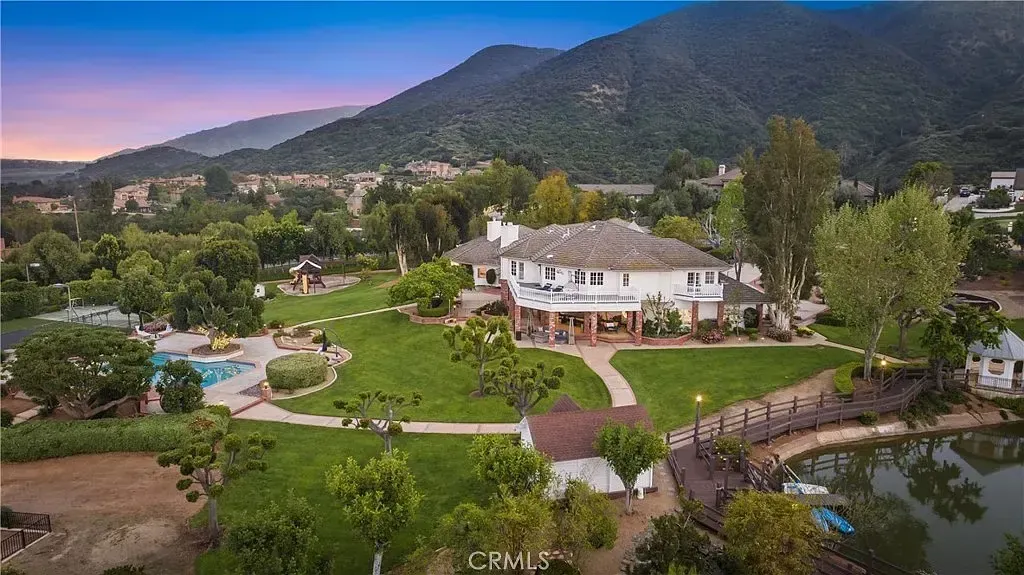
Investing in land — either holding it for a future change in value, or developing it by building on it. Development can create significant value, but it is the most involved and longest-dated activity here, with outcomes that depend heavily on planning, construction and timing.
Who it suits Investors with a long horizon and a higher tolerance for risk and uncertainty, who do not need income along the way and can accept that returns, if any, arrive only at the end.
The upside Securing land and obtaining permissions or completing a build can create substantial value relative to the raw land cost. It is one of the few ways to generate return by creating something rather than only owning it.
The honest risks Bare land usually produces no income while costs continue. Planning permission may be refused, delayed or conditioned. Construction can overrun on cost and time, and the market may move before completion. Land can be hard to sell, and capital can be lost entirely if a scheme does not proceed.
How Crestview is involved We evaluate sites and the realistic path to value, manage the planning and build process with appropriate professionals, and report candidly on milestones, risks and any setbacks.
An aerial view of a large land parcel and estate, representative of a land and development opportunity
Land & development — holding or building on land for future value
Property Type 05 Short-Term · Vacation Rental

Short-term & vacation rentals

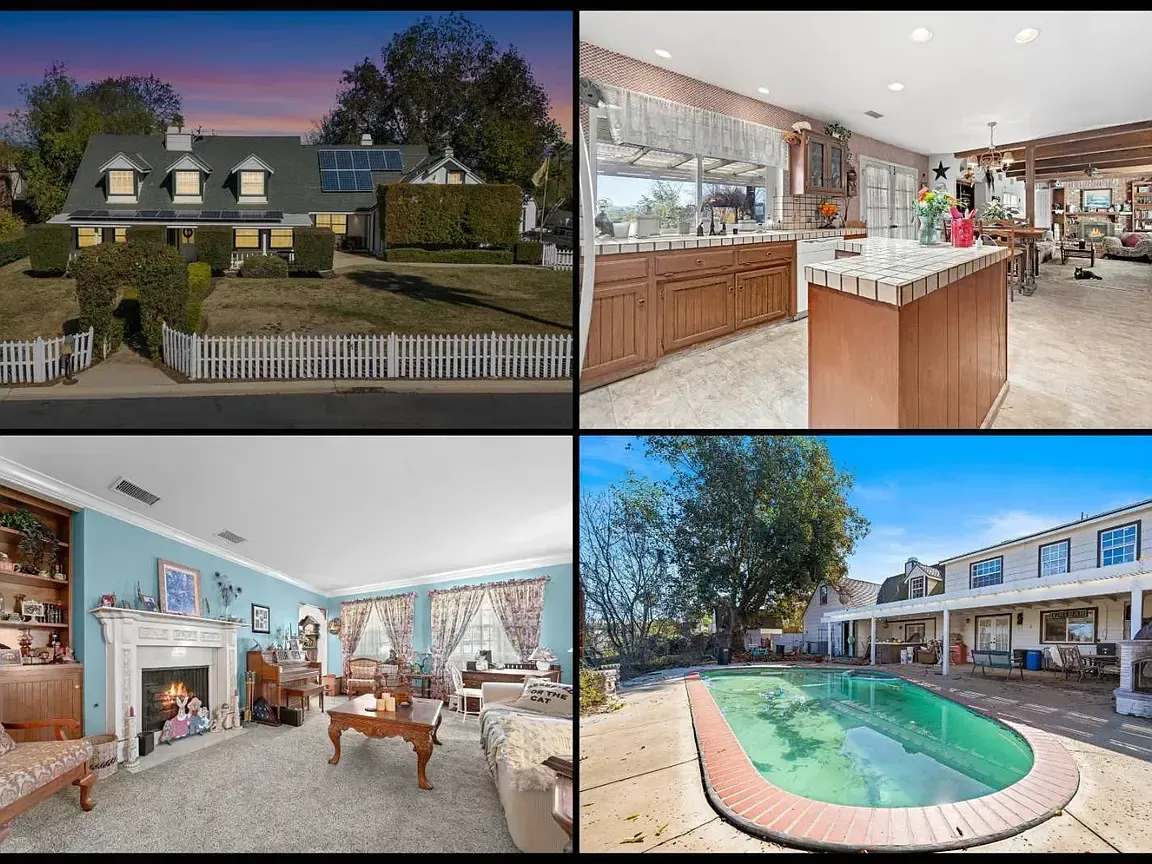
A residential property let to guests for short stays — nights or weeks — rather than to a long-term tenant. Nightly rates can be higher than a standard let, but the income is variable and the property is run much more like a small hospitality business.
Who it suits Investors who want exposure to a residential asset with potentially higher gross income and are comfortable with seasonality, more active management and a less predictable income stream.
The upside In the right location, total income from short stays can exceed a conventional long-term let, and there is flexibility in how and when the property is used or priced.
The honest risks Income is seasonal and far less predictable than a long lease. Running costs are higher (cleaning, furnishing, management, platform fees). Occupancy depends on travel demand and local competition, and short-let rules and regulations are tightening in many areas, which can restrict or end this use.
How Crestview is involved We assess the location and realistic demand, set up and oversee the operation, and report on occupancy, costs and net performance — with no inflated occupancy or income assumptions.
A swimming pool and covered patio, representative of a short-term or vacation rental property
Short-term & vacation rental — guest stays run like a small hospitality business
Choosing Between Them

Not sure which fits you?

The right type depends on your horizon, how much risk you can genuinely tolerate, whether you want income along the way, and how quickly you might need your capital back. There is no single best answer — only the one that fits your situation.

Your time horizon

Short-dated project work behaves very differently from a long buy-and-hold. Be honest about how long you can leave capital invested.

Income vs. growth

Some types aim for steadier income; others tie everything up until an exit. Decide which you actually need before you choose.

Risk you can tolerate

Higher potential reward comes with higher risk — including loss of capital. The comfortable answer is rarely the most aggressive one.

Start a Conversation

Talk it through with Crestview

Tell us your horizon, what you have in mind and what you want to avoid. We’ll walk you through the options honestly — no obligation, no guaranteed-return promises.