
Four ways in, one clear process
There are four clear ways to invest in real estate through Crestview, and a single, transparent process that applies to all of them. Each method below is a different way to put capital to work — they differ in how directly you hold the asset, how involved you are, how your money is pooled with others, and how and when returns are paid.
What we describe here is the mechanism of each structure, not a promised return. None of them carries a guaranteed outcome — property values, rents and borrower repayments can all rise or fall, and your capital is at risk. When you speak with us, we go through the specific terms, timelines and risks of any opportunity in detail before anything is committed.
- The four methodsPooled fund, fractional ownership, trust-style structure, or private lending — explained in plain language.
- How money movesFor each one: how your capital goes in, and how returns come back — the mechanism, not a promise.
- The same clear processWhichever route you choose, the path from first enquiry to exit follows the same defined steps.

Pooled fund / syndication
Several investors contribute capital into a single pooled vehicle. Crestview uses that combined pool to acquire and operate a property or a small portfolio — a residential block or a commercial asset, for example — that would usually be out of reach for one investor alone.
How money goes in: you commit an amount into the pool and receive a proportional share of that vehicle. How returns come back: rental income (net of costs) may be distributed to investors periodically, and any gain or loss on the property is shared in proportion to your stake when the asset is eventually sold or refinanced.

Fractional ownership / crowdfunding
A single property is divided into many fractional interests, and investors each take a portion. It works on a similar idea to a pooled fund, but it is usually tied to one identified property that you can see and assess before you commit, often at a lower entry amount.
How money goes in: you buy a defined fraction of a specific asset through the structure Crestview sets up. How returns come back: you receive your share of the net rental income it produces, and your fraction of any change in the property’s value when it is sold — up or down.
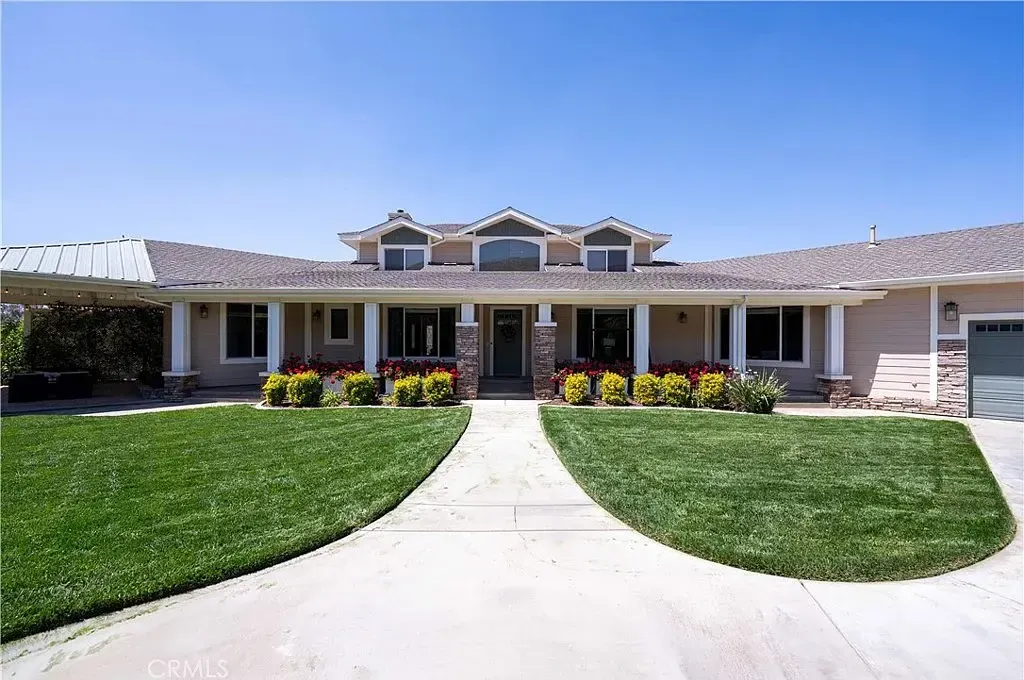
Passive trust / REIT-style structure
Instead of holding a stake in one property, your capital sits in a trust-style vehicle that holds a portfolio of real-estate assets. The aim is to spread exposure across several properties rather than concentrate it in one, and to keep the holding fully passive.
How money goes in: you invest into the trust and hold units that represent a slice of the whole portfolio. How returns come back: income the portfolio generates may be distributed to unit holders on a regular basis, and the value of your units moves with the underlying portfolio — which can fall as well as rise.
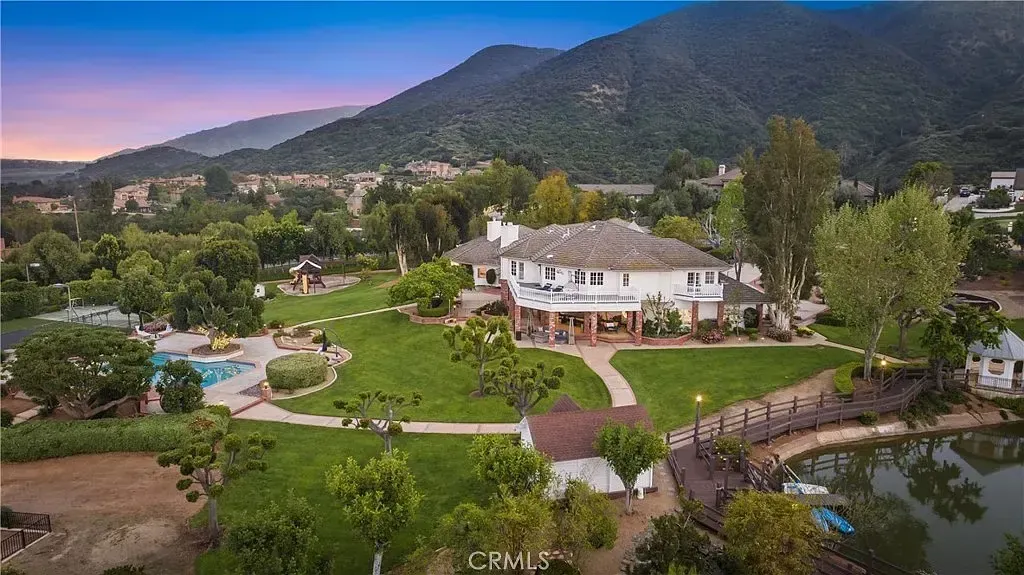
Private lending / mortgage notes
Here you act as a lender rather than an owner. Your capital is lent — usually secured against a property — to fund an acquisition or a development project that Crestview is involved in. You do not own the property; you hold the debt against it.
How money goes in: you fund a loan (a mortgage note) on agreed terms, secured against real estate. How returns come back: the borrower makes interest payments over the term and repays the principal at the end. Because it is debt, returns are defined by the loan terms rather than by property gains — but they still depend on the borrower repaying.
From first enquiry to exit
Whichever method you choose, the path with Crestview follows the same clear steps. There is no obligation at any point before you decide to proceed.
-
1
Enquire
You get in touch and tell us roughly what you have in mind — the amount you’re considering and the kind of property or structure that interests you. No commitment.
-
2
Consultation
We talk it through honestly: your objectives, time horizon and appetite for risk, and which of the four methods — if any — is a sensible fit. We’d rather say “not yet” than push you into the wrong vehicle.
-
3
Choose a vehicle
If it makes sense to proceed, we set out the specific opportunity in detail — the structure, the terms, the timeline and the risks — so you can decide with full information.
-
4
Fund
Once you’re satisfied and the paperwork is complete, you commit your capital into the chosen structure through the documented process.
-
5
Manage & report
Crestview handles the property-level or loan-level work and reports back to you in plain language — how the investment is performing, including anything that isn’t going to plan.
-
6
Exit
At the end of the term, on a sale, or on loan repayment, the position is wound down and proceeds are returned to you according to the structure — whatever the final outcome turns out to be.
Not sure which route fits you?
That’s exactly what the first conversation is for. Tell us what you’re considering and we’ll walk you through the options — clearly, honestly, and with no obligation.